The 2-Minute Rule for Bed Bug Services
Table of ContentsSome Known Details About Bed Bug Services The Bed Bug Services PDFsSome Ideas on Bed Bug Services You Need To KnowSome Known Details About Bed Bug Services
A professional bed bug inspection is a meticulous process and relies on expertise. Bed bugs are small, elusive, and adept at hiding that hide in narrow spaces, corners, and upholstery. Because of their stealthy behavior, detailed examination is necessary to accurately locate and quantify infestations. Professional inspectors employ a range of techniques, tools, and expertise to locate pests effectively, stopping infestations from worsening.The first step in the inspection process involves understanding bed bug biology and behavior. Bed bugs belong to the Cimicidae family and experience multiple nymph stages before reaching adulthood. Adults are oval, flat, reddish-brown insects that lack wings and have long legs and antennae. Their mouthparts are designed to pierce skin and extract blood, resulting in clusters of itchy bites. Knowing these traits helps inspectors anticipate hiding spots.
Early detection is essential for stopping the problem from spreading. Professionals search for telltale signs such as tiny ink-like droppings, molted skins, and egg clusters (Bed Bug Services). A single female can lay hundreds of eggs, potentially causing full-blown infestations. Evidence of shed exoskeletons or leftover eggs shows that the infestation is current and demands thorough examination
Preparing for an inspection requires attention to detail. Inspectors often suggest tidying up spaces to allow full access, which improves access to furniture and baseboards. Bedding and linens may be washed in hot water and dried on high heat, and then kept in plastic bags to maintain cleanliness. Wall decor, mirrors, and pictures should be taken down to check hiding places. Vacuuming furniture and floors helps clean up stray insects, and vacuum bags should be disposed of immediately outside.
The Facts About Bed Bug Services Uncovered
The inspection itself is comprehensive and careful. Inspectors start with beds and adjacent furniture, looking closely at creases, joints, and folds. Upholstered furniture, including couches and chairs, is carefully examined, with attention to seams wikipedia reference and cushions. Baseboards, moldings, the edges of wall-to-wall carpeting, electrical outlets, closets, and storage areas are also included in the inspection, as these can be key areas for infestation.
Specialized tools help inspectors find hidden pests. Flashlights, magnifying lenses, multi-tools, and mirrors help inspect hard-to-see areas. Monitoring devices like interceptor traps or sticky pads help track bed bug activity over time. Some companies bring in canine teams, which detect even small infestations, distinguishing them from residual signs.
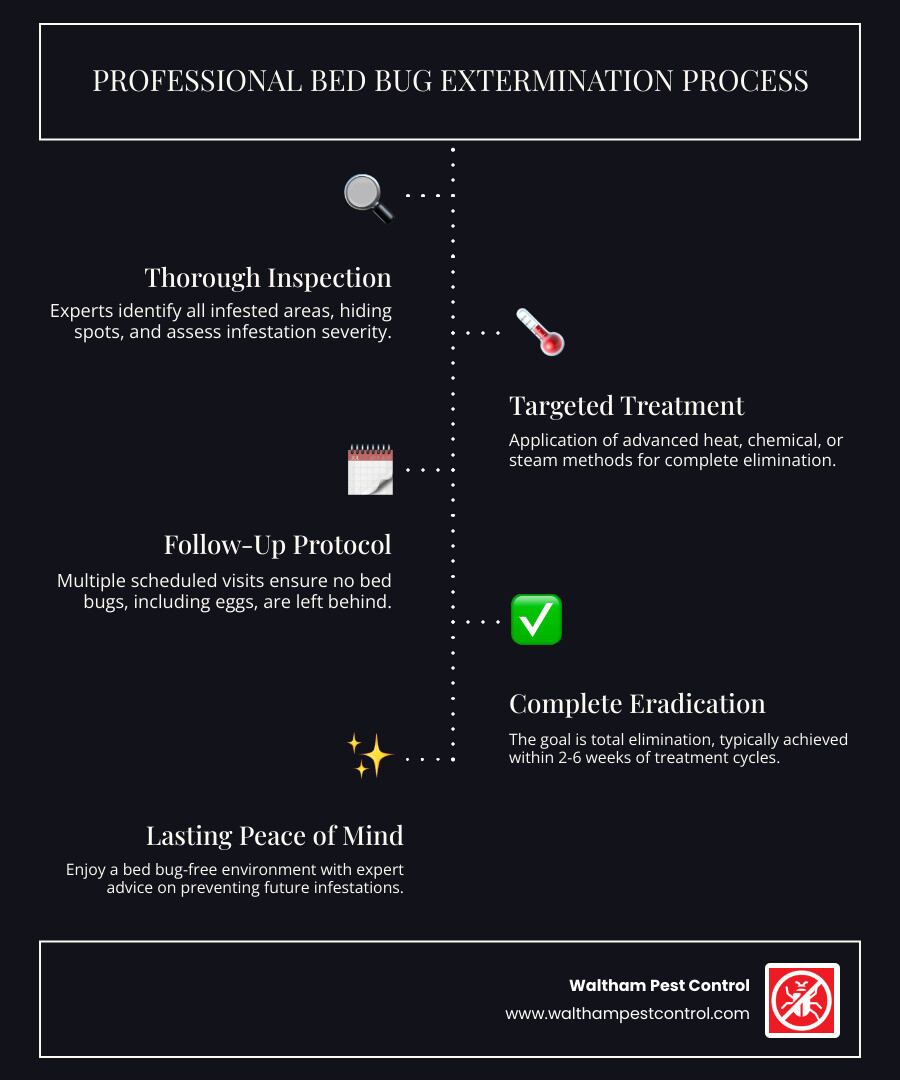

Meticulous documentation is essential. Inspectors record the locations of evidence, severity of infestation, and treatment recommendations. This ensures accountability and offers proof of read inspection. Residents are often asked to avoid disturbing potential infestation signs, as this prevents loss of critical information.
After inspection, a monitoring plan may be recommended to follow up on findings. Continuous monitoring identifies surviving insects after treatment, and asking residents about bites and sightings provides additional insight. you can try this out Cooperation from residents enhances detection.
Bed Bug Services for Beginners
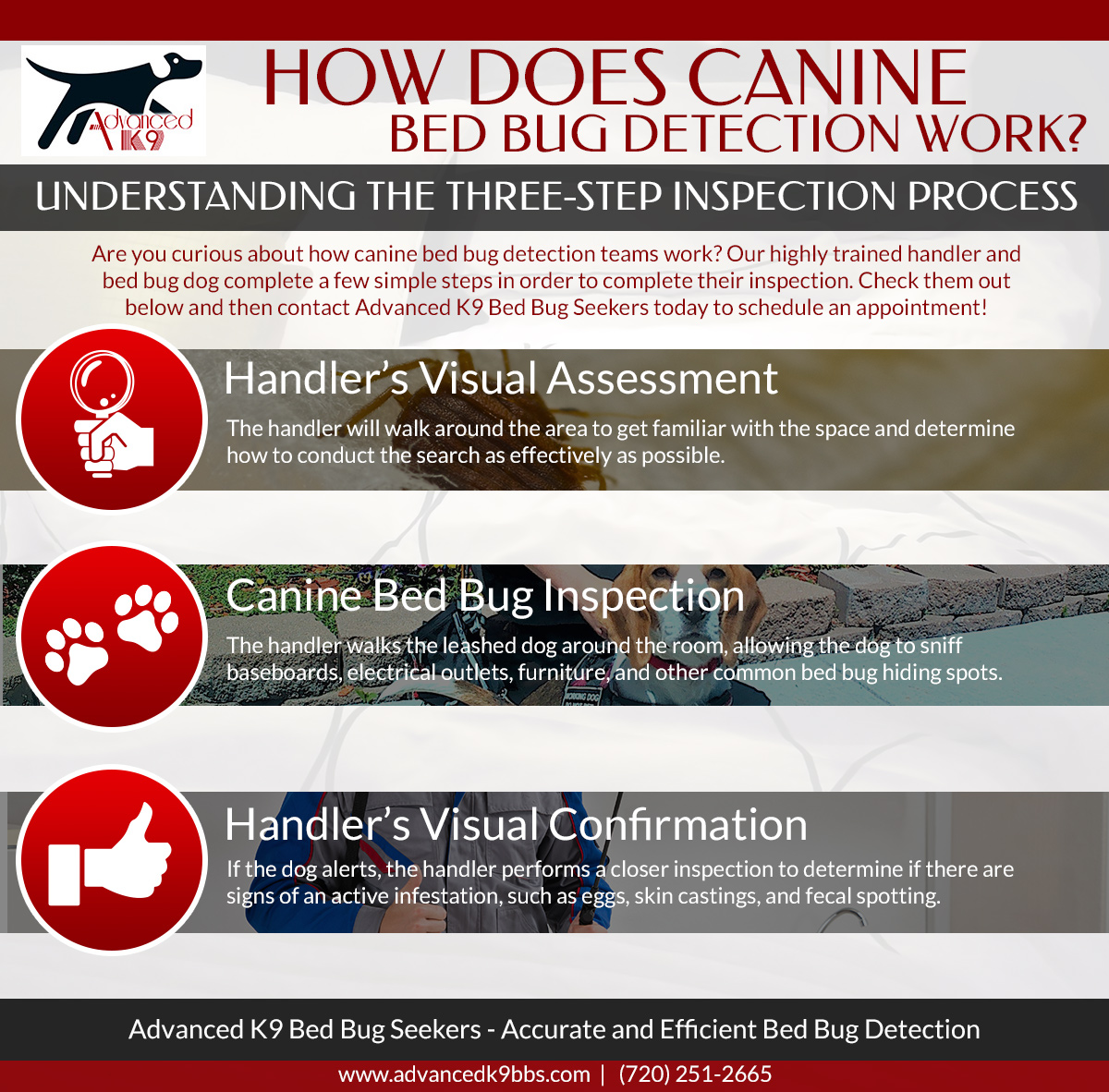
Professional inspections provide confidence that infestations are correctly identified. Trained inspectors know what to look for and where, avoid unnecessary treatments, and provide certainty.
Bed bug inspections are particularly important in hotels, dormitories, multi-unit apartments, and senior living facilities. Inspectors examine adjacent units, common areas, and shared furniture to identify potential spread (Bed Bug Services). This supports comprehensive control
In summary, a professional bed bug inspection requires knowledge of bed bugs, property preparation, careful examination, tool utilization, record-keeping, and follow-up monitoring. Each step supports early detection, informs treatment, and reduces future risk.
Bed Bug Services - Questions
